

Continuity of Self: Why You Still Feel Like “You” After Everything Changes
The continuity of self becomes most noticeable not when life is stable, but when it changes beyond recognition. After trauma, […]
Memory & Identity focuses on the inner architecture of the self — how memory forms, fractures, shifts, and adapts across emotional states, timelines, and lived experiences.
This category explores:
• fragmented or rewritten memories
• identity shifts during trauma, growth, or timeline changes
• the connection between consciousness and autobiographical memory
• perception loops and how they form “self-versions”
• continuity of identity after major life resets
• the difference between remembered past and narrative past
• how awareness edits personal history from the inside
Memory isn’t just stored — it is constructed.
Identity isn’t fixed — it is rendered in real time.
And consciousness acts not as a passive observer but as the core editor of both.
Here, we analyze how people rebuild themselves after reality fractures, why memories sometimes feel inherited rather than lived, and how internal narratives silently shape the outer world.
Memory & Identity is dedicated to understanding the mechanisms behind who we think we are — and who we might become.
The continuity of self becomes most noticeable not when life is stable, but when it changes beyond recognition. After trauma, […]

The tension between the remembered self vs lived self becomes noticeable when people realize that who they remember being no
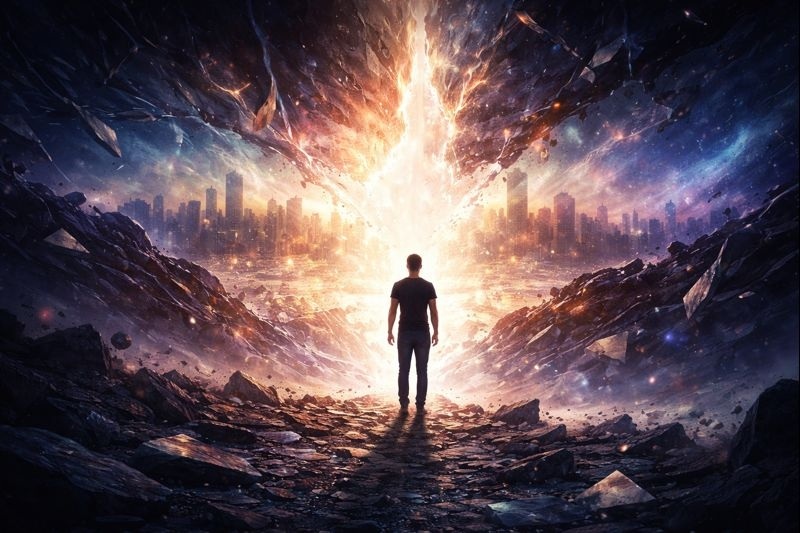
Identity after disruption often arrives quietly. There is no single moment where the self collapses, no dramatic loss of memory
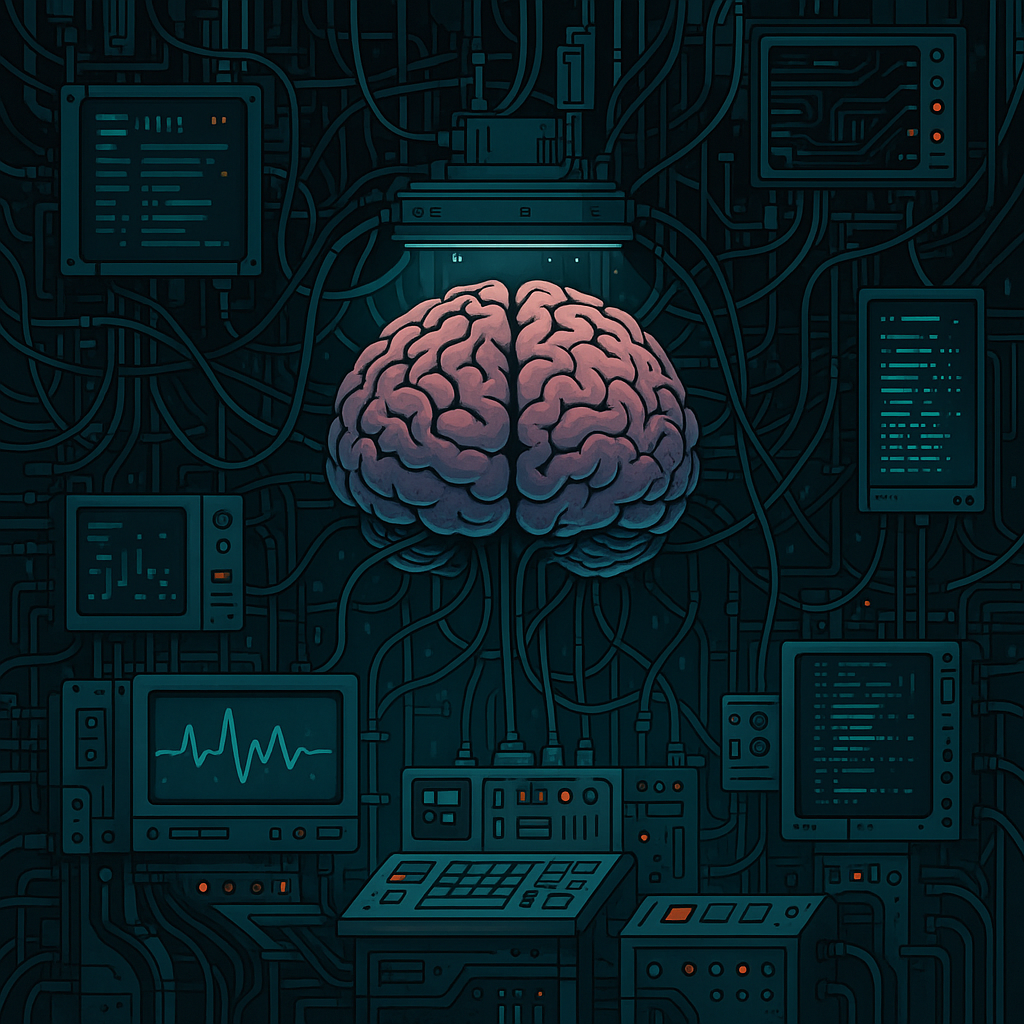
INTRODUCTIONMost people believe memory works like a camera. You “record” an event, store it somewhere in the brain, and replay

Some people recall details they’ve never lived—cities they’ve never visited, people they’ve never met, skills they’ve never been taught. These